
Which CMS - Wordpress or Joomla ? | South Africa
It's a tough question; which CMS website platform to use, WordPress or Joomla ?
In South Africa and around the world, Wordpress is perhaps the most well known CMS platform around these days and is often seen as a desirable option.
It certainly has much to offer to some and is generally regarded as the most 'popular' but it is, in our and other's opinions flawed on many levels.
Generally, while we're happy to develop websites in WordPress if push comes to shove, we prefer to use a more robust, secure, versatile, adaptable, and SEO friendly solution.
Yes, we've used Wordpress here and there where pressed to, but we mostly use and have used Joomla primarily for 15 years for all manner of websites, from small single page websites through to hundreds of pages of complex eCommerce website structures, and for good reason.
Being an SEO agency as well as a design/development agency, it is critical that the platform, technologies and techniques we employ best maximise the opportunity for any given organic SEO campaign.
This one area where Joomla has and continues to prove it's worth, time after time.
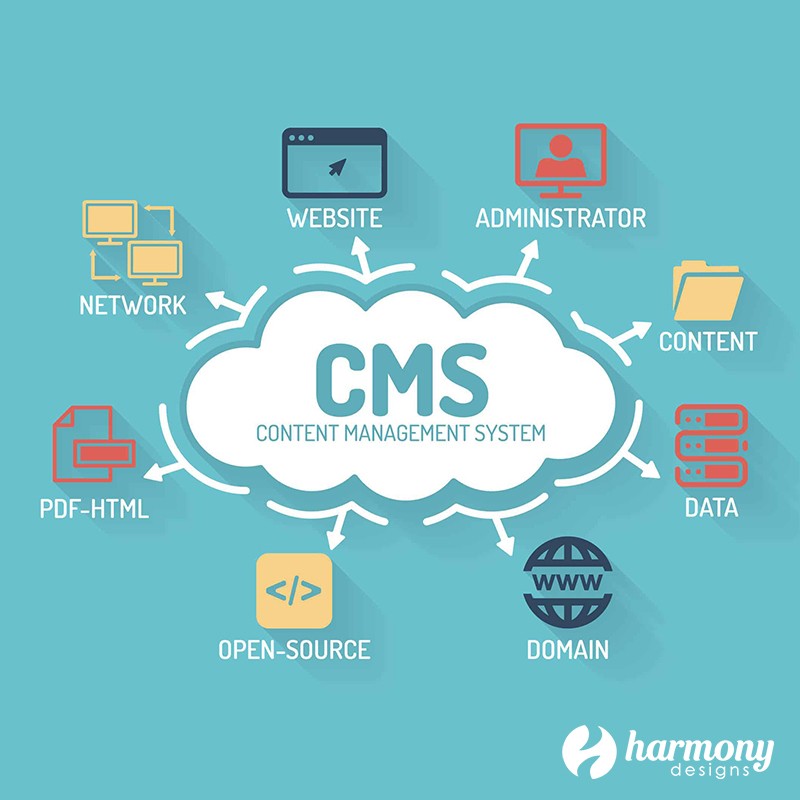
Which CMS - Wordpress or Joomla ? | South Africa
Here are some further insights regarding the Wordpress / Joomla 'debate':
1. Security and Vulnerability
Joomla has historically been less targeted by hackers due to its smaller footprint and stronger built-in security controls.
WordPress, being the most popular CMS globally, is a prime target for exploits — especially via insecure third-party plugins and themes.
Joomla allows fine-grained access control levels (ACLs) directly within the core, reducing the need for extra plugins that often introduce vulnerabilities.
2. Reduced Plugin Dependency
Joomla is feature-rich out of the box — offering modules for SEO, caching, multilingual support, user management, and menus without needing dozens of add-ons.
WordPress sites often require 20–50+ plugins to achieve similar functionality, which leads to bloat, slowness, maintenance headaches, and security exposure.
Fewer extensions mean faster performance, less code conflict, and a cleaner system overall.
3. Performance and Speed
Joomla’s architecture is leaner and more optimized for handling complex or high-traffic sites, especially when properly configured.
WordPress’s heavy reliance on plugins, bloated themes, and page builders can drastically slow load times, hurting user experience and SEO rankings.
Joomla also gives developers greater control over caching, GZIP compression, and database optimization, making it easier to fine-tune performance.
4. SEO Advantages
Joomla provides direct control over metadata, URLs, canonical tags, and structured data without needing SEO plugins like Yoast.
Its faster load speeds and reduced dependency on plugin-heavy functionality can directly improve Core Web Vitals, a major Google ranking factor.
Joomla’s native multilingual SEO tools outperform WordPress, which requires complex plugin setups that can create duplicate content or indexing issues.
5. Scalability and Flexibility
Joomla is designed for medium to large-scale, content-heavy, or complex sites where multiple user roles, categories, and modules must work seamlessly.
WordPress, while excellent for blogs and small business sites, can become fragile and slow as it scales.
Joomla’s MVC architecture gives developers better customisation and maintainability control.
6. Stability and Long-Term Maintenance
Joomla sites typically age better because they rely on core functionality rather than plugin ecosystems that frequently break after updates.
WordPress’s constant plugin updates and conflicts often require ongoing troubleshooting, inflating maintenance costs.
In summary:
Joomla is the better choice for businesses or developers who prioritise security, speed, SEO performance, and stability over plug-and-play simplicity.
It may have a steeper learning curve, but it rewards that investment with a more robust, professional-grade CMS that avoids the performance and vulnerability pitfalls common to WordPress.
REVIEWS
Harmony Designs is a sibling of: